

Möchten Sie eine E-Mail-Adresse bei @ingenieros.es?
Registrieren Sie sich in unserer Jobbörse und beantragen Sie Ihr kostenloses E-Mail-Konto @ingenieros.es für die private oder berufliche Nutzung.






Wichtige Nachrichten




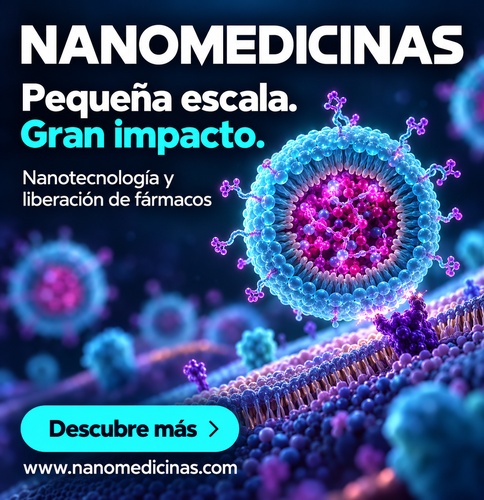
Eine Gruppe von Wissenschaftlern an der Universität Exeter und an der Londoner Pharmazieschule University College unter der Leitung von Natalie Laura Garrett folgten der Route der Nanopartikel (Polymere-Mizellen) wenn sie oral verabreicht werden.
Nanotechnologie und insbesondere Nanopartikel sind eine notwendige Ergänzung in der Medizin der Zukunft. Es hat die Aufgabe, Arzneimittel zu verhüllen und zu verkapseln, damit der Wirkstoff in dem angemessenen Verhältnis zum Ziel ist und so wenig wie möglich den Rest der Umgebung beeinträchtigt.
Interner Pfad
Derzeit sind die bekannten Informationen über die Interaktion von Nanopartikeln mit anderen Zellen oder Organen des menschlichen Körpers begrenzt, was die Entwicklung von Methoden zur Optimierung ihrer Funktionen und Eigenschaften in der Medizin erschwert.
Um weitere Informationen über diesen Prozess der Vermittlung zu erhalten, hat das Wissenschaftlerteam der Universität von Exeter und der Londoner Pharmazieschule University College eine Methode angewandt, die die Funktionen verschiedener Instrumente kombiniert: ein Spektroskop zur Überprüfung der Vibrationssignale der Moleküle, genannt CARS (Coherent anti-Stokes Raman scattering spectroscopy), Second Harmonic Generation (SHG) und zwei fluoreszierende Photonenmikroskope.
Die Ergebnisse der Forschung zeigen, dass die oralen Nanopartikel einem Weg der Rezirkulation aus dem Magen-Darm-Trakt folgen, durch den Blutstrom geleitet werden, um dann in die Leberzellen und Leberzellräume der Leber transportiert werden, um die Gallenblase zu erreichen und schließlich in den Darm neben der Galle freigesetzt werden.
Diese Route kann zur Verbesserung der Wirkung von oralen Drogen und anderen Arzneimitteln verwendet werden.
Quelle
Weitere Branchennachrichten
Las células solares de perovskita suman un nuevo avance en la investigación fotovoltaica. Un trabajo publicado el 9 de octubre de 2026 en Nature Photonics presenta dispositivos con una eficiencia certificada del 27,31 %, mediante una estrategia que modifica los contactos moleculares de la célula. El estudio aborda también la estabilidad: los dispositivos muestran una pérdida de rendimiento prácticamente despreciable...
Weitere Informationen
El posible uso de inteligencia artificial en ataques contra entidades financieras de Corea del Sur vuelve a centrar la atención en la automatización de la ciberdelincuencia. Reuters informó el 9 de octubre de 2026 de investigaciones en nueve bancos sobre incidentes que podrían haber contado con asistencia de IA. El dato debe leerse con cautela: investigar el papel de estas...
Weitere Informationen
La Universidad de Castilla-La Mancha ha acogido los días 7 y 8 de octubre una reunión de coordinación de FIREFLY, un proyecto europeo que busca electrificar parte de la cadena de valor de la industria química y reducir su dependencia de los recursos fósiles. El encuentro se celebró en la Facultad de Ciencias y Tecnologías Químicas de Ciudad Real. El...
Weitere Informationen
La Escuela Técnica Superior de Ingeniería Industrial de Barcelona, perteneciente a la Universitat Politècnica de Catalunya, celebra sus 175 años con una exposición que conecta su historia con los desafíos tecnológicos y sociales de las nuevas generaciones de ingenieros. La muestra, inaugurada el 8 de octubre, puede visitarse hasta el 17 de octubre en CASA SEAT, en Barcelona, con entrada...
Weitere Informationen
La Universidad Pontificia Comillas ha reunido a representantes institucionales, académicos y especialistas del sector tecnológico y de defensa para analizar las oportunidades y los desafíos de la inteligencia artificial en la seguridad y la defensa de España. El seminario, celebrado el 7 de octubre y difundido por la Universidad el día 9, fue organizado por la Facultad de Derecho de...
Weitere Informationen