

Möchten Sie eine E-Mail-Adresse bei @ingenieros.es?
Registrieren Sie sich in unserer Jobbörse und beantragen Sie Ihr kostenloses E-Mail-Konto @ingenieros.es für die private oder berufliche Nutzung.





Wichtige Nachrichten
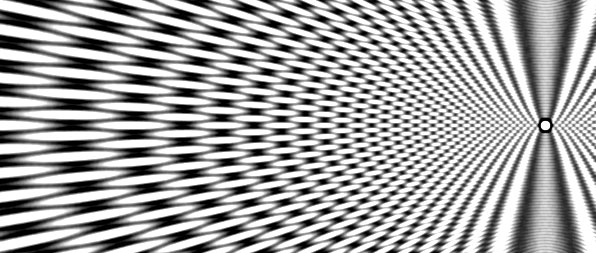



Ein internationales Team von Wissenschaftlern, angeführt von Forschern der Abteilung Physik der UAB, hat ein Material entwickelt, das das Magnetfeld von einem Ort zum anderen zu führen und zu transportieren, ähnlich wie eine Glasfaser wirkt mit Licht oder ein Schlauch transportiert Wasser.
La Magnetfaser von den Forschern entwickelt ist ein Zylinder aus ferromagnetischem Material umgeben von supraleitendem Material, ein erstaunlich einfaches Design, das aus komplizierten theoretischen Berechnungen und vielen Tests im Labor resultiert. Die Forscher haben einen 14 Zentimeter langen Prototyp gebaut, der das Magnetfeld von einem Ende zum anderen mit einer Effizienz von 400% gegenüber den gegenwärtigen Methoden zur Beförderung dieser Felder überträgt.
Wissenschaftler haben theoretisch bewiesen, dass die Magnetfaser noch effizienter sein kann, wenn man das ferromagnetische Rohr mit dünnen Schichten umgibt, indem man ferromagnetischen Materials mit supraleitendem Material wechselt.
Das Gerät, das von den Forschern entwickelt wurde, kann in jeder Größenordnung, auch auf die Nanometer, eingesetzt werden. So könnte ein "magnetischer Nanofibra" zur individuellen Steuerung von Quantensystemen dazu beitragen, technologische Probleme zu lösen, die derzeit beim Versuch, Quantenrechner zu machen, auftreten.
Neue Technologie zur Führung von Magnetfeldern
Magnetismus ist in der heutigen Technologie, in den Energieerzeugungsprozessen oder in der Speicherung von Informationen auf Computern zum Beispiel grundlegend. Und einer der wesentlichen Prozesse in diesen Technologien ist es, das Magnetfeld zu leiten und zu übertragen, sei es in großen Transformatoren oder in logischen Nanogeräten.
Das Licht, das aus Magnet- und elektrischen Feldwellen besteht, kann sehr effektiv mit optischen Fasern geleitet werden. Doch "bislang gab es keine ähnliche Technologie, um die statischen Magnetfelder zu führen und zu transportieren," erklärt der Forscher ICREA Academy und Forschungsführer Àlvar Sanchez. "Um die Felder in elektronischen Schaltkreisen oder Stromtransformatoren zu führen, werden ferromagnetische Materialien wie Eisenlegierungen verwendet, ihre Intensität ist jedoch mit Abstand und Anwendungen schnell abgefallen."
Internationale Zusammenarbeit
In der Forschung, veröffentlicht diese Woche in Physical Review LettersCarles Navau, Jordi Prat und Àlvar Sánchez, Abteilung Physik der Universität Autònoma in Barcelona, nahmen teil; Oriol Romero Isart vom Institut für Optik und Quanteninformation der Österreichischen Akademie der Wissenschaften und Professor an der Universität Innsbruck (Österreich) und dem jüngsten Gewinner des renommierten Wolf-Preises für Physik Juan Ignacio Cirac vom Max-Planck-Institut für Quantenphysik in Garching (Deutschland).
Referenzartikel:
C. Navau, J. Prat-Camps, O. Romero-Isart, JI Cirac, and A. Sanchez. "Long-distance transfer and routing of static magnetic fields". Phys. Rev. Lett. 112, 253901 (2014).
______________________________________________
Pressestelle | Universitat Autònoma de Barcelona
Quelle
Weitere Branchennachrichten
Las células solares de perovskita suman un nuevo avance en la investigación fotovoltaica. Un trabajo publicado el 9 de octubre de 2026 en Nature Photonics presenta dispositivos con una eficiencia certificada del 27,31 %, mediante una estrategia que modifica los contactos moleculares de la célula. El estudio aborda también la estabilidad: los dispositivos muestran una pérdida de rendimiento prácticamente despreciable...
Weitere Informationen
El posible uso de inteligencia artificial en ataques contra entidades financieras de Corea del Sur vuelve a centrar la atención en la automatización de la ciberdelincuencia. Reuters informó el 9 de octubre de 2026 de investigaciones en nueve bancos sobre incidentes que podrían haber contado con asistencia de IA. El dato debe leerse con cautela: investigar el papel de estas...
Weitere Informationen
La Universidad de Castilla-La Mancha ha acogido los días 7 y 8 de octubre una reunión de coordinación de FIREFLY, un proyecto europeo que busca electrificar parte de la cadena de valor de la industria química y reducir su dependencia de los recursos fósiles. El encuentro se celebró en la Facultad de Ciencias y Tecnologías Químicas de Ciudad Real. El...
Weitere Informationen
La Escuela Técnica Superior de Ingeniería Industrial de Barcelona, perteneciente a la Universitat Politècnica de Catalunya, celebra sus 175 años con una exposición que conecta su historia con los desafíos tecnológicos y sociales de las nuevas generaciones de ingenieros. La muestra, inaugurada el 8 de octubre, puede visitarse hasta el 17 de octubre en CASA SEAT, en Barcelona, con entrada...
Weitere Informationen
La Universidad Pontificia Comillas ha reunido a representantes institucionales, académicos y especialistas del sector tecnológico y de defensa para analizar las oportunidades y los desafíos de la inteligencia artificial en la seguridad y la defensa de España. El seminario, celebrado el 7 de octubre y difundido por la Universidad el día 9, fue organizado por la Facultad de Derecho de...
Weitere Informationen