

Möchten Sie eine E-Mail-Adresse bei @ingenieros.es?
Registrieren Sie sich in unserer Jobbörse und beantragen Sie Ihr kostenloses E-Mail-Konto @ingenieros.es für die private oder berufliche Nutzung.








Wichtige Nachrichten




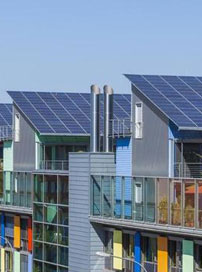
Zardoya Otis hat einen neuen Aufzug, der Otis Gen2 Switch Solar, die ausschließlich mit Solarenergie betrieben werden kann. Dieser neue Fahrstuhl wird Ende dieses Jahres in den Verkehr gebracht und ausschließlich vom multinationalen Unternehmen in seinem Werk im Technologiepark Leganés in Madrid hergestellt werden.
Das Unternehmen hat letzte Woche einen Prototyp dieser Entwicklung vorgestellt, der mit Solarenergie betrieben wird, die von Photovoltaik-Panels erzeugt wird, die mit dem Aufzug verbunden sind. Es verfügt auch über ein System, das Energie erzeugt und sammelt, wenn es aufgeladen oder leer steigt, so dass seine Autonomie des Stromnetzes ist vollständig, je nach Unternehmen.
Diese Akkumulatoren gewähren eine Reichweite von 100 Fahrten, wenn eine Lichtquelle ausgestorben ist. Der Aufzug enthält auch serielle Led-Technologie in allen Designs.
Autonomie
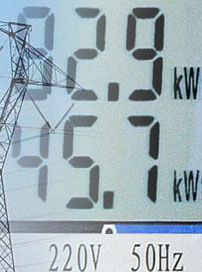
In Ländern mit vielen Sonnentagen wie Spanien könnte der Fahrstuhl mit voller Autonomie funktionieren. Es kann jedoch auch an einen normalen Einphasenstrom von 220 Volt angeschlossen werden, so dass keine spezifische elektrische Anlage erforderlich ist. 500 Watt weniger als eine Mikrowelle und fünfmal so viel wie eine Glühbirne.
Sinc Bernardo Calleja, CEO der spanischen Tochtergesellschaft des Unternehmens, erklärte: "Die Prototypen, die derzeit in Ländern wie Italien oder Portugal getestet werden, mussten in der Zeit, in der sie in Betrieb sind, nicht an das Stromnetz angeschlossen werden."
Das Unternehmen hat gute Erwartungen an die Aufnahme seines Solaraufzugs. "Der Preis wird kein Problem sein, da nur 3.000 Euro an Solarplatten hinzukommen, was eine Dreiphasen-Anlage kostet," heben sie im multinationalen Konzern hervor.
Darüber hinaus wird diese Innovation - auch diese Quellen hinzufügen - pro Nachbarschaftsgemeinschaft jährlich etwa 800 EUR einsparen.
Kinetische Energie
Auf der anderen Seite erklärt Calleja, dass das System der Energieerzeugung durch die Bewegung, genannt Gen2 Switch, bereits in 20
Quelle
Weitere Branchennachrichten
La Universidad de Castilla-La Mancha ha acogido los días 7 y 8 de octubre una reunión de coordinación de FIREFLY, un proyecto europeo que busca electrificar parte de la cadena de valor de la industria química y reducir su dependencia de los recursos fósiles. El encuentro se celebró en la Facultad de Ciencias y Tecnologías Químicas de Ciudad Real. El...
Weitere Informationen
La Escuela Técnica Superior de Ingeniería Industrial de Barcelona, perteneciente a la Universitat Politècnica de Catalunya, celebra sus 175 años con una exposición que conecta su historia con los desafíos tecnológicos y sociales de las nuevas generaciones de ingenieros. La muestra, inaugurada el 8 de octubre, puede visitarse hasta el 17 de octubre en CASA SEAT, en Barcelona, con entrada...
Weitere Informationen
La Universidad Pontificia Comillas ha reunido a representantes institucionales, académicos y especialistas del sector tecnológico y de defensa para analizar las oportunidades y los desafíos de la inteligencia artificial en la seguridad y la defensa de España. El seminario, celebrado el 7 de octubre y difundido por la Universidad el día 9, fue organizado por la Facultad de Derecho de...
Weitere Informationen
La Universidad Politécnica de Madrid dedica este 9 de octubre una jornada a los retos de integrar el hidrógeno en la industria y el transporte, dos ámbitos en los que la reducción de emisiones exige combinar diferentes soluciones tecnológicas. La Comunidad del Hidrógeno y Pilas de Combustible de la UPM organiza el encuentro en el salón de actos de la...
Weitere Informationen
La ingeniera de telecomunicación Alicia Ramón Catalán es la ganadora del Premio Pioneras_IT 2026, promovido por el Colegio Oficial de Ingenieros de Telecomunicación y la Asociación Española de Ingenieros de Telecomunicación para visibilizar el talento femenino en el sector. La elección, anunciada el 28 de septiembre, culmina una convocatoria cuyo acto de entrega se programó para el 8 de octubre...
Weitere Informationen