

Möchten Sie eine E-Mail-Adresse bei @ingenieros.es?
Registrieren Sie sich in unserer Jobbörse und beantragen Sie Ihr kostenloses E-Mail-Konto @ingenieros.es für die private oder berufliche Nutzung.









Wichtige Nachrichten




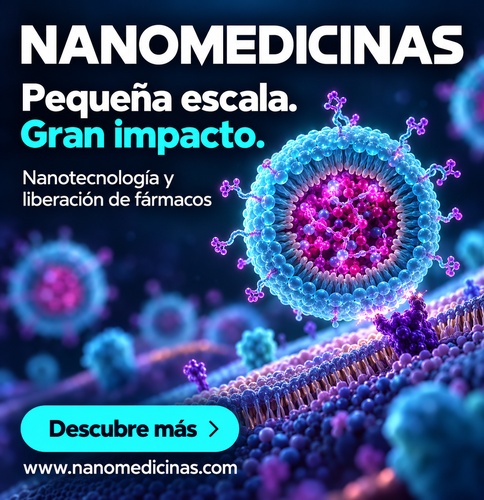
Forscher Institut für Nanowissenschaften von Aragonien (INA) wird in den nächsten zwei Jahren an einem neuen System zur Identifizierung von Pigmenten und Bindemitteln von Farben in Tabellen und Kodexen arbeiten, das dazu beitragen wird, ihr Gründungsdatum zu ermitteln, ausgehend von der Verwendung von Nanopartikel und die Verwendung von Methoden zur Nachweisung von Proteinen, die im INA selbst entwickelt wurden.
Diese Verfahren ermöglichen es den Restaurierungs- und Konservativen von Kunstwerken, die Datierung mit minimalen Proben schneller durchzuführen, da sie die Entnahme von "vor Ort" Material durchführen können, um unnötige Verbringungen von Teilen zu vermeiden und damit die traditionellen Kosten dieser Prozesse zu minimieren.
Die Europäische Kommission hat dem multidisziplinäres Projekt NANOART, die Nanotechnologie mit den Wissenschaften der Erhaltung, Wiederherstellung und Geschichte der Kunst verbindet und mit einer Finanzierung von 166.336 € ausgestattet ist, den Forscher ARAID, Jesus Martínez de la Fuente, in der INA, der neben der portugiesischen Wissenschaftlerin Anne Claro, der Konservativen für Kunstarbeit von der Universität von Évora, als Hauptkoordinator fungieren wird.
Das Forschungsteam hat bisher zwei verschiedene Arten von Erkennungssystemen entwickelt. In beiden Fällen erfolgt eine Farbänderung, die durch das Vorhandensein der zu identifizierenden Verbindung, in diesem Fall Kombination von Farbstoffen oder Farbbindern, ausgelöst wird. Diese Verfärbung ist direkt mit den Photoneneigenschaften von Nanopartikeln, aufgrund ihrer Nanogröße. Die beiden Geräte weisen die Vorteile auf, die sie extrem empfindlich sind, so dass die erforderlichen Probenmengen minimal sind, ein wichtiger Aspekt, wenn es um so wertvolle Proben mit Manuskripten oder Originalfarben geht. Derzeit wird die Forschung in den INA-Laboren beginnen, auf kleinen Proben von verschiedenen Museen zur Verfügung gestellt anzuwenden.
Außerdem kann der Kunstkonservative seine Analyse "an Ort und Stelle" durchführen, ohne das Kunstwerk aus seinem Ausstellungs- oder Lagerort zu extrahieren. Im Laufe der Kunstgeschichte wurden konkrete Kombinationen dieser Verbindungen verwendet, und dies wird es ermöglichen, das Kunstwerk in eine bestimmte künstlerische Epoche zu versetzen. Das Projekt Nano Art Research Tool wurde von der Europäischen Kommission im Rahmen des Programms "People" (Marie Curie) (Inter European Fellowship) zur Unterstützung der Ausbildung und beruflichen Entwicklung erfahrener Forscher von der INA bereitgestellt. Sie zielt darauf ab, die Diversifizierung ihrer persönlichen Kompetenzen im Hinblick auf den Erwerb von Kompetenzen auf inter- oder multidisziplinärer Ebene zu verstärken und/oder sektorübergreifende Erfahrungen zu sammeln.
____________________________________
UNIZAR Presse
Quelle
Weitere Branchennachrichten
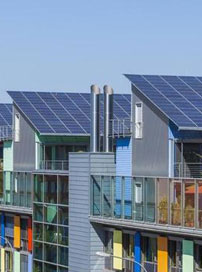
Las células solares de perovskita suman un nuevo avance en la investigación fotovoltaica. Un trabajo publicado el 9 de octubre de 2026 en Nature Photonics presenta dispositivos con una eficiencia certificada del 27,31 %, mediante una estrategia que modifica los contactos moleculares de la célula. El estudio aborda también la estabilidad: los dispositivos muestran una pérdida de rendimiento prácticamente despreciable...
Weitere Informationen
El posible uso de inteligencia artificial en ataques contra entidades financieras de Corea del Sur vuelve a centrar la atención en la automatización de la ciberdelincuencia. Reuters informó el 9 de octubre de 2026 de investigaciones en nueve bancos sobre incidentes que podrían haber contado con asistencia de IA. El dato debe leerse con cautela: investigar el papel de estas...
Weitere Informationen
La Universidad de Castilla-La Mancha ha acogido los días 7 y 8 de octubre una reunión de coordinación de FIREFLY, un proyecto europeo que busca electrificar parte de la cadena de valor de la industria química y reducir su dependencia de los recursos fósiles. El encuentro se celebró en la Facultad de Ciencias y Tecnologías Químicas de Ciudad Real. El...
Weitere Informationen
La Escuela Técnica Superior de Ingeniería Industrial de Barcelona, perteneciente a la Universitat Politècnica de Catalunya, celebra sus 175 años con una exposición que conecta su historia con los desafíos tecnológicos y sociales de las nuevas generaciones de ingenieros. La muestra, inaugurada el 8 de octubre, puede visitarse hasta el 17 de octubre en CASA SEAT, en Barcelona, con entrada...
Weitere Informationen
La Universidad Pontificia Comillas ha reunido a representantes institucionales, académicos y especialistas del sector tecnológico y de defensa para analizar las oportunidades y los desafíos de la inteligencia artificial en la seguridad y la defensa de España. El seminario, celebrado el 7 de octubre y difundido por la Universidad el día 9, fue organizado por la Facultad de Derecho de...
Weitere Informationen