

Möchten Sie eine E-Mail-Adresse bei @ingenieros.es?
Registrieren Sie sich in unserer Jobbörse und beantragen Sie Ihr kostenloses E-Mail-Konto @ingenieros.es für die private oder berufliche Nutzung.










Wichtige Nachrichten




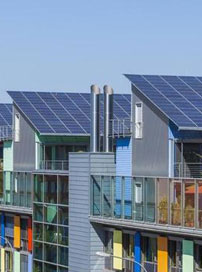
El Tokelaum-Archipel Ein neuseeländisches Inselkonglomerat bestätigte, dass es ihm endlich gelungen ist, aus dem Teufelskreis herauszukommen, der sie durch Verbrennung von Kohlenwasserstoffen an die Stromerzeugung gebunden hielt und für ihre Bedürfnisse völlig von der Sonnenenergie abhängig sein wird.
Ab September werden die Inselbewohner die ersten Bürger der Welt sein, die nur mit Sonnenenergie versorgt werden, basierend auf einem Projekt, das 7,5 Millionen Dollar kostet und vom neuseeländischen Ministerium für auswärtige Angelegenheiten und Handel finanziert wird.
"Es ist mehr als gut, dass wir endlich aufhören können, mit Diesel betriebene Kraftwerke zu nutzen. Durch das Austreten von Kraftstoffen entstehen enorme Probleme für die Umwelt des Atolls. Darüber hinaus mit Solarmodulen werden wir nicht mehr von den Außenlieferungen abhängig sein," sagte der Energieminister von Tokelau der Presse.
Ein Beispiel für die Welt
Im Atoll Tokelau leben mehr als 1.500 Menschen, die jedes Jahr etwa 2 000 Barrel Öl verbrauchen, was mehr als eine Million Dollar bedeutet.
"Nach unseren Berechnungen wird die Innovation bereits in den nächsten fünf Jahren belohnt werden," erklärte der Leiter der neuseeländischen Firma Powersmart Solar, die der Ansicht war, dass das System mindestens 20 Jahre lang reibungslos funktionieren muss.
Die Inseln Tokelau, die aus den Atollonen Atafu, Nukunonu und Fakaofo sowie 125 weiteren Inseln bestehen, leben im Wesentlichen aus der Fischerei und dem Tourismus und bilden eine politische Einheit der freien Partnerschaft mit Neuseeland. Der Verein wurde bei den von der UNO geförderten Wahlen im Jahr 2006 beschlossen.
Ihre Einwohner sind alle aus der Polynesien-Kultur, gehören zu den besten Fußballspielern im Südpazifik, aber ihre Mitgliedschaft in Neuseeland hindert sie daran, eine nationale Wahl zu treffen. Der frühere Lieblingssport der Tokelauaner war die Waljagd seit Kanu, die derzeit verboten ist.
Quelle
Weitere Branchennachrichten
Las células solares de perovskita suman un nuevo avance en la investigación fotovoltaica. Un trabajo publicado el 9 de octubre de 2026 en Nature Photonics presenta dispositivos con una eficiencia certificada del 27,31 %, mediante una estrategia que modifica los contactos moleculares de la célula. El estudio aborda también la estabilidad: los dispositivos muestran una pérdida de rendimiento prácticamente despreciable...
Weitere Informationen
El posible uso de inteligencia artificial en ataques contra entidades financieras de Corea del Sur vuelve a centrar la atención en la automatización de la ciberdelincuencia. Reuters informó el 9 de octubre de 2026 de investigaciones en nueve bancos sobre incidentes que podrían haber contado con asistencia de IA. El dato debe leerse con cautela: investigar el papel de estas...
Weitere Informationen
La Universidad de Castilla-La Mancha ha acogido los días 7 y 8 de octubre una reunión de coordinación de FIREFLY, un proyecto europeo que busca electrificar parte de la cadena de valor de la industria química y reducir su dependencia de los recursos fósiles. El encuentro se celebró en la Facultad de Ciencias y Tecnologías Químicas de Ciudad Real. El...
Weitere Informationen
La Escuela Técnica Superior de Ingeniería Industrial de Barcelona, perteneciente a la Universitat Politècnica de Catalunya, celebra sus 175 años con una exposición que conecta su historia con los desafíos tecnológicos y sociales de las nuevas generaciones de ingenieros. La muestra, inaugurada el 8 de octubre, puede visitarse hasta el 17 de octubre en CASA SEAT, en Barcelona, con entrada...
Weitere Informationen
La Universidad Pontificia Comillas ha reunido a representantes institucionales, académicos y especialistas del sector tecnológico y de defensa para analizar las oportunidades y los desafíos de la inteligencia artificial en la seguridad y la defensa de España. El seminario, celebrado el 7 de octubre y difundido por la Universidad el día 9, fue organizado por la Facultad de Derecho de...
Weitere Informationen