

Möchten Sie eine E-Mail-Adresse bei @ingenieros.es?
Registrieren Sie sich in unserer Jobbörse und beantragen Sie Ihr kostenloses E-Mail-Konto @ingenieros.es für die private oder berufliche Nutzung.








Wichtige Nachrichten




Der Große Hadron-Kollisator (LHC) ist der rhythmischste menschliche Aufbau der Geschichte aufgrund seiner Implikationen, des größten Bemühens um Zusammenarbeit zwischen Nationen und der Umkehr der hoch entwickelten wissenschaftlichen Kenntnisse, die wir besitzen, um wichtige Antworten auf wichtige Fragen zu finden.
Aber angesichts dessen, was er tut, muss er astronomische Lichtrechnungen bezahlen.
In Zahlen
In einem Ring eingesperrt 26,9 km LHC, das in der Nähe von Genf, Schweiz, begraben ist, erweitert unsere Kenntnisse der Physik, indem es zwei Bündel Protonen in Richtungen beschleunigt, die entgegengesetzt zu Energie 7 Teraelectronvolt, was viel Strom verbraucht.
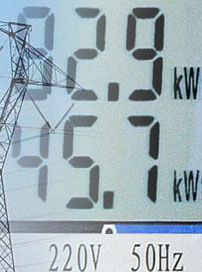
Das CERN, das europäische physikalische Labor, das LHC verwaltet, verbraucht bei voller Leistung eine Leistung von 180 Megawatt120 davon werden vom Beschleuniger selbst genommen. Der höchste Stromverbrauch von LHC ist ausschließlich auf die Kryogensystem, zum Einfrieren von 7.000 riesigen Superleitermagneten bei einer Temperatur oberhalb der Null absolut, um sie wirklich effizient zu machen.
Dann benutzt das System 27,5 Megawatt, um die Protonenstrahlen auf einer kreisförmigen Strecke. Dort werden die vier Hauptdetektoren, Maschinen, die die Kollisionen zwischen Protonen mit 22 Megawatt lesen, aktiv.
Der CERN verbraucht also im Allgemeinen etwa 10 Prozent des Energiebedarfs der Stadt Genf, so dass die Belastung für das lokale Energienetz nicht sehr wichtig ist und die Gefahr eines Stromausfalls gering ist.
Die Stromrechnung muss jedoch ungleichmäßig sein, und sie muss zu den Ausgaben für den allgemeinen Betrieb des LHC hinzugefügt werden: 2,8 Mrd. EUR. Dazu sind Physiker gezwungen, LHC im Winter zu schließen, wenn der Verbrauch höher ist.
Quelle
Weitere Branchennachrichten
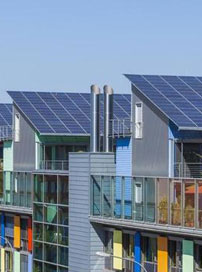
Las células solares de perovskita suman un nuevo avance en la investigación fotovoltaica. Un trabajo publicado el 9 de octubre de 2026 en Nature Photonics presenta dispositivos con una eficiencia certificada del 27,31 %, mediante una estrategia que modifica los contactos moleculares de la célula. El estudio aborda también la estabilidad: los dispositivos muestran una pérdida de rendimiento prácticamente despreciable...
Weitere Informationen
El posible uso de inteligencia artificial en ataques contra entidades financieras de Corea del Sur vuelve a centrar la atención en la automatización de la ciberdelincuencia. Reuters informó el 9 de octubre de 2026 de investigaciones en nueve bancos sobre incidentes que podrían haber contado con asistencia de IA. El dato debe leerse con cautela: investigar el papel de estas...
Weitere Informationen
La Universidad de Castilla-La Mancha ha acogido los días 7 y 8 de octubre una reunión de coordinación de FIREFLY, un proyecto europeo que busca electrificar parte de la cadena de valor de la industria química y reducir su dependencia de los recursos fósiles. El encuentro se celebró en la Facultad de Ciencias y Tecnologías Químicas de Ciudad Real. El...
Weitere Informationen
La Escuela Técnica Superior de Ingeniería Industrial de Barcelona, perteneciente a la Universitat Politècnica de Catalunya, celebra sus 175 años con una exposición que conecta su historia con los desafíos tecnológicos y sociales de las nuevas generaciones de ingenieros. La muestra, inaugurada el 8 de octubre, puede visitarse hasta el 17 de octubre en CASA SEAT, en Barcelona, con entrada...
Weitere Informationen
La Universidad Pontificia Comillas ha reunido a representantes institucionales, académicos y especialistas del sector tecnológico y de defensa para analizar las oportunidades y los desafíos de la inteligencia artificial en la seguridad y la defensa de España. El seminario, celebrado el 7 de octubre y difundido por la Universidad el día 9, fue organizado por la Facultad de Derecho de...
Weitere Informationen