


Möchten Sie eine E-Mail-Adresse bei @ingenieros.es?
Registrieren Sie sich in unserer Jobbörse und beantragen Sie Ihr kostenloses E-Mail-Konto @ingenieros.es für die private oder berufliche Nutzung.













Wichtige Nachrichten
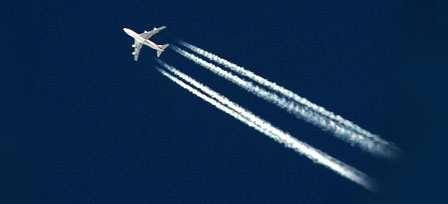



Die ersten Annahmen der US-Geheimdienste bezüglich der Ereignisse mit dem im Osten der Ukraine gefallenen Flug MH-17 deuten auf einen Fehlschlag hin. Es wäre nicht der einzige Fall in der Geschichte der Luftfahrt, in der ein ziviles Flugzeug ohne ersichtlichen Grund abgeschossen wird.
Um Verwirrungen zu vermeiden, die tödlich sein können, und um mögliche Bedrohungen auszuschließen, wenn die routinemäßige Identifizierung von Flugzeugen nicht funktioniert, eine Telekommunikationsingenieurin durch die Polytechnische Universität Cartagena (UPCT) führt eine Dissertation im Labor für elektronische Detektions- und Kriegstechnik durch. Nationales Institut für Luft- und Raumfahrttechnik (INTA) über Nichtkooperative Identifizierung von Weißen.
Die UPCT Ex-Schülerin Patricia López Rodríguez erklärt, dass "die Identifizierung von Zielorten in der Regel durch Sekundärradar (SSR-Secondary Surveillance Radar) im zivilen Bereich oder mit IFF-Systemen (Identification Friend or Foe) im militärischen Bereich kooperativ erfolgt. Diese Radarsysteme werden kooperativ genannt, weil die Zusammenarbeit der Zielperson notwendig ist, um sie identifizieren zu können. Seine Funktion basiert auf dem Versand eines verschlüsselten Signals, das nur Freunde kennen. Wenn das Schiff also befreundet ist, kann es das Signal entschlüsseln und die richtige Antwort an die Basisstation zurückgeben. Andernfalls wird das Schiff als feindlich oder neutral eingestuft."
.JPG)
Patricia López Rodríguez (Quelle: UPC)
Es gibt jedoch Situationen, in denen diese Radarsysteme nicht ausreichen, denn "es kann vorkommen, dass die Reaktion des Luftfahrzeugs verloren geht, dass das Signal falsch gesendet wurde oder sogar die Geräte ausgeschaltet werden," so das Beispiel. "Aus diesem Grund muss nach Alternativen gesucht werden, bei denen keine Kommunikation mit dem Ziel erforderlich ist," fügt er hinzu.
Die nicht kooperativen Identifizierungstechniken basieren auf der Verwendung eines hochauflösenden Radarsignals. "Mit dieser Art von Signalen sieht man das Ziel nicht als einen Punkt, wie wir es auf den Radar-Displays gewohnt sind, sondern das Signal wird durch das Abprallen in jedem Teil des Flugzeugs zerstreut (die Flügel, die Flügel, die Motoren), und was an die Basisstation gelangt, ist eine Radar-Signatur mit Informationen über die Größe und Form des Flugzeugs. Durch die Anwendung bestimmter Algorithmen zum Vergleich dieser Radarsignaturen mit einer Datenbank ist es möglich, den Flugzeugtyp zu identifizieren," schließt die murcianische Ärztin.
_____________________________
UPCT
Quelle
Weitere Branchennachrichten
La Universidad de Castilla-La Mancha ha acogido los días 7 y 8 de octubre una reunión de coordinación de FIREFLY, un proyecto europeo que busca electrificar parte de la cadena de valor de la industria química y reducir su dependencia de los recursos fósiles. El encuentro se celebró en la Facultad de Ciencias y Tecnologías Químicas de Ciudad Real. El...
Weitere Informationen
La Escuela Técnica Superior de Ingeniería Industrial de Barcelona, perteneciente a la Universitat Politècnica de Catalunya, celebra sus 175 años con una exposición que conecta su historia con los desafíos tecnológicos y sociales de las nuevas generaciones de ingenieros. La muestra, inaugurada el 8 de octubre, puede visitarse hasta el 17 de octubre en CASA SEAT, en Barcelona, con entrada...
Weitere Informationen
La Universidad Pontificia Comillas ha reunido a representantes institucionales, académicos y especialistas del sector tecnológico y de defensa para analizar las oportunidades y los desafíos de la inteligencia artificial en la seguridad y la defensa de España. El seminario, celebrado el 7 de octubre y difundido por la Universidad el día 9, fue organizado por la Facultad de Derecho de...
Weitere Informationen
La Universidad Politécnica de Madrid dedica este 9 de octubre una jornada a los retos de integrar el hidrógeno en la industria y el transporte, dos ámbitos en los que la reducción de emisiones exige combinar diferentes soluciones tecnológicas. La Comunidad del Hidrógeno y Pilas de Combustible de la UPM organiza el encuentro en el salón de actos de la...
Weitere Informationen
La ingeniera de telecomunicación Alicia Ramón Catalán es la ganadora del Premio Pioneras_IT 2026, promovido por el Colegio Oficial de Ingenieros de Telecomunicación y la Asociación Española de Ingenieros de Telecomunicación para visibilizar el talento femenino en el sector. La elección, anunciada el 28 de septiembre, culmina una convocatoria cuyo acto de entrega se programó para el 8 de octubre...
Weitere Informationen