

Möchten Sie eine E-Mail-Adresse bei @ingenieros.es?
Registrieren Sie sich in unserer Jobbörse und beantragen Sie Ihr kostenloses E-Mail-Konto @ingenieros.es für die private oder berufliche Nutzung.







Wichtige Nachrichten




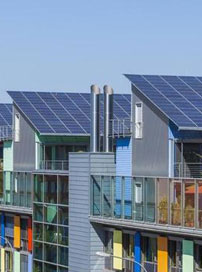
Die jüngsten Ergebnisse der von den Organisationen veröffentlichten Studie Greenpeace und Europäischer Rat für erneuerbare Energie weisen darauf hin, dass die Nutzung erneuerbarer Energiequellen unabhängig von fossilen Brennstoffen wie Erdöl, Kohle und Erdgas der Europäischen Union bis 2050 Einsparungen in Höhe von drei Billionen Euro bringen kann.
Dieser Betrag könnte die Kosten der Änderung des derzeitigen Energiemodells der 27 Länder des europäischen Blocks.
(R)Evolution Energie
Nach Schätzungen der Forschung würde der Bau eines sauberen Energiesystems bis 2020 auf weniger als 0,7 Cent pro kWh pro kWh und die Erzeugung 500.000 Arbeitsplätze in diesem Bereich EU-weit.
Bis 2030 sollten schätzungsweise mehr als 375 000 Menschen direkt in diesem Sektor beschäftigt sein, 160 000 Menschen an Land und 215 000 Menschen an Meerespflanzen.
So sehr. Greenpeace als Europäischer Rat für Energie die Förderung der erneuerbaren Energien und die Energieeffizienz als machbar ansehen, damit diese Praxis in diesem Jahr weit verbreitet und strikt eingehalten wird.
Die EU hofft, dass 20 Prozent ihrer Energienachfrage in 10 Jahren ohne fossile Brennstoffe gedeckt werden können. Heute werden 12,5 Prozent abgedeckt, das Ziel ist, bis 2030 45 Prozent und bis 2050 90 Prozent zu erreichen.
70 Jahre, Beginn des Wandels
Die erneuerbaren Energien begannen sich in Europa seit den Ölkrisen der 70er Jahre zu entwickeln, angesichts der Gefahr, dass die fossilen Ressourcen eines Tages erschöpft würden, und als sich herausstellte, dass die Verwendung von Kohle und Öl nicht dem neuen Erfordernis einer nachhaltigen Entwicklung entsprach.
Dieser Block ist verantwortlich für 14-15 Prozent des weltweiten Energieverbrauchs und der größte Ölimporteur, 19 Prozent des weltweiten und Gasverbrauchs (16 Prozent der Welt).
(R)Energy Evolution 2012: Ein nachhaltiges globales Energieszenario
Quelle
Weitere Branchennachrichten
Las células solares de perovskita suman un nuevo avance en la investigación fotovoltaica. Un trabajo publicado el 9 de octubre de 2026 en Nature Photonics presenta dispositivos con una eficiencia certificada del 27,31 %, mediante una estrategia que modifica los contactos moleculares de la célula. El estudio aborda también la estabilidad: los dispositivos muestran una pérdida de rendimiento prácticamente despreciable...
Weitere Informationen
El posible uso de inteligencia artificial en ataques contra entidades financieras de Corea del Sur vuelve a centrar la atención en la automatización de la ciberdelincuencia. Reuters informó el 9 de octubre de 2026 de investigaciones en nueve bancos sobre incidentes que podrían haber contado con asistencia de IA. El dato debe leerse con cautela: investigar el papel de estas...
Weitere Informationen
La Universidad de Castilla-La Mancha ha acogido los días 7 y 8 de octubre una reunión de coordinación de FIREFLY, un proyecto europeo que busca electrificar parte de la cadena de valor de la industria química y reducir su dependencia de los recursos fósiles. El encuentro se celebró en la Facultad de Ciencias y Tecnologías Químicas de Ciudad Real. El...
Weitere Informationen
La Escuela Técnica Superior de Ingeniería Industrial de Barcelona, perteneciente a la Universitat Politècnica de Catalunya, celebra sus 175 años con una exposición que conecta su historia con los desafíos tecnológicos y sociales de las nuevas generaciones de ingenieros. La muestra, inaugurada el 8 de octubre, puede visitarse hasta el 17 de octubre en CASA SEAT, en Barcelona, con entrada...
Weitere Informationen
La Universidad Pontificia Comillas ha reunido a representantes institucionales, académicos y especialistas del sector tecnológico y de defensa para analizar las oportunidades y los desafíos de la inteligencia artificial en la seguridad y la defensa de España. El seminario, celebrado el 7 de octubre y difundido por la Universidad el día 9, fue organizado por la Facultad de Derecho de...
Weitere Informationen