

Möchten Sie eine E-Mail-Adresse bei @ingenieros.es?
Registrieren Sie sich in unserer Jobbörse und beantragen Sie Ihr kostenloses E-Mail-Konto @ingenieros.es für die private oder berufliche Nutzung.







Wichtige Nachrichten




Ein Projekt, an dem Ingenieure der Polytechnische Universität Valencia, die von der chilenischen Regierung finanziert wird, versucht, ein neues Material zu entwickeln, das beim Bau von Gebäuden und auf Isolierwänden verwendet werden kann, sowie Flugzeuge oder Züge zu schallen, wobei die Verwendung von natürlichen Fasern aus Pflanzen wie Keniaf, Jute oder Kokosnuss als Grundlage dient.
Im vergangenen Monat waren die Professoren der Ingenieurausbildung für Telekommunikationssysteme, Sound und Bild der Polytechnischen Universität Valencia Jesús Alba und Romina del Rey in Chile, wo sie an diesem Forschungsprojekt zur Verbesserung von Materialien für Schallisolierung beteiligt waren.
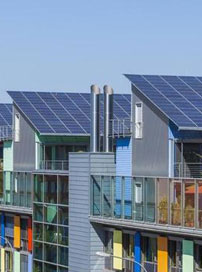
Solche Projekte entwickeln sich auch auf dem Campus, den die Polytechnische Universität Valencia in Gandía hat, wo sie an der Herstellung eines Materials arbeiten, das den Bau von "grünen Fäusten" ermöglichen würde, da sie nicht nur das Gebäude isolieren, sondern auch die Pflanzung von Pflanzen auf dem Deck zulassen würden.
Nachhaltigere Materialien
Chile ist in "Plenum des Baus" und der Einsatz von Materialien wie Holz für den Bau von Gebäuden ist sehr verbreitet, und sie haben sich sehr interessiert an solchen Materialien, die "Textiltechnik" für die Herstellung verwendet. Diese Fasern werden miteinander verflochten und führen zu Elementen, die für den Bau verwendet werden können, mit hervorragenden Eigenschaften.
Diese Materialien sind nicht nur kostengünstiger, sondern auch umweltfreundlicher als die heutigen Isolierstoffe, bei denen Erdölprodukte eine wichtige Rolle spielen.
La Luft- und Raumfahrt Sie können auch von diesen neuen Materialien profitieren, da sie die Eigenschaften von hoher Festigkeit, Schallisolierung und geringem Gewicht haben, die in solchen Fahrzeugen erforderlich sind.
Auch mit Kunststoffmaterialien werden Materialien entwickelt, die das Gewicht der Metallisolierer reduzieren können, was auch zu Einsparungen beim Kraftstoffverbrauch führen kann, was zwischen 4,5 und 6 Prozent liegen kann.
Bild: Kenaffasern
Quelle
Weitere Branchennachrichten
Las células solares de perovskita suman un nuevo avance en la investigación fotovoltaica. Un trabajo publicado el 9 de octubre de 2026 en Nature Photonics presenta dispositivos con una eficiencia certificada del 27,31 %, mediante una estrategia que modifica los contactos moleculares de la célula. El estudio aborda también la estabilidad: los dispositivos muestran una pérdida de rendimiento prácticamente despreciable...
Weitere Informationen
El posible uso de inteligencia artificial en ataques contra entidades financieras de Corea del Sur vuelve a centrar la atención en la automatización de la ciberdelincuencia. Reuters informó el 9 de octubre de 2026 de investigaciones en nueve bancos sobre incidentes que podrían haber contado con asistencia de IA. El dato debe leerse con cautela: investigar el papel de estas...
Weitere Informationen
La Universidad de Castilla-La Mancha ha acogido los días 7 y 8 de octubre una reunión de coordinación de FIREFLY, un proyecto europeo que busca electrificar parte de la cadena de valor de la industria química y reducir su dependencia de los recursos fósiles. El encuentro se celebró en la Facultad de Ciencias y Tecnologías Químicas de Ciudad Real. El...
Weitere Informationen
La Escuela Técnica Superior de Ingeniería Industrial de Barcelona, perteneciente a la Universitat Politècnica de Catalunya, celebra sus 175 años con una exposición que conecta su historia con los desafíos tecnológicos y sociales de las nuevas generaciones de ingenieros. La muestra, inaugurada el 8 de octubre, puede visitarse hasta el 17 de octubre en CASA SEAT, en Barcelona, con entrada...
Weitere Informationen
La Universidad Pontificia Comillas ha reunido a representantes institucionales, académicos y especialistas del sector tecnológico y de defensa para analizar las oportunidades y los desafíos de la inteligencia artificial en la seguridad y la defensa de España. El seminario, celebrado el 7 de octubre y difundido por la Universidad el día 9, fue organizado por la Facultad de Derecho de...
Weitere Informationen